


A New Era of Purposeful Travel
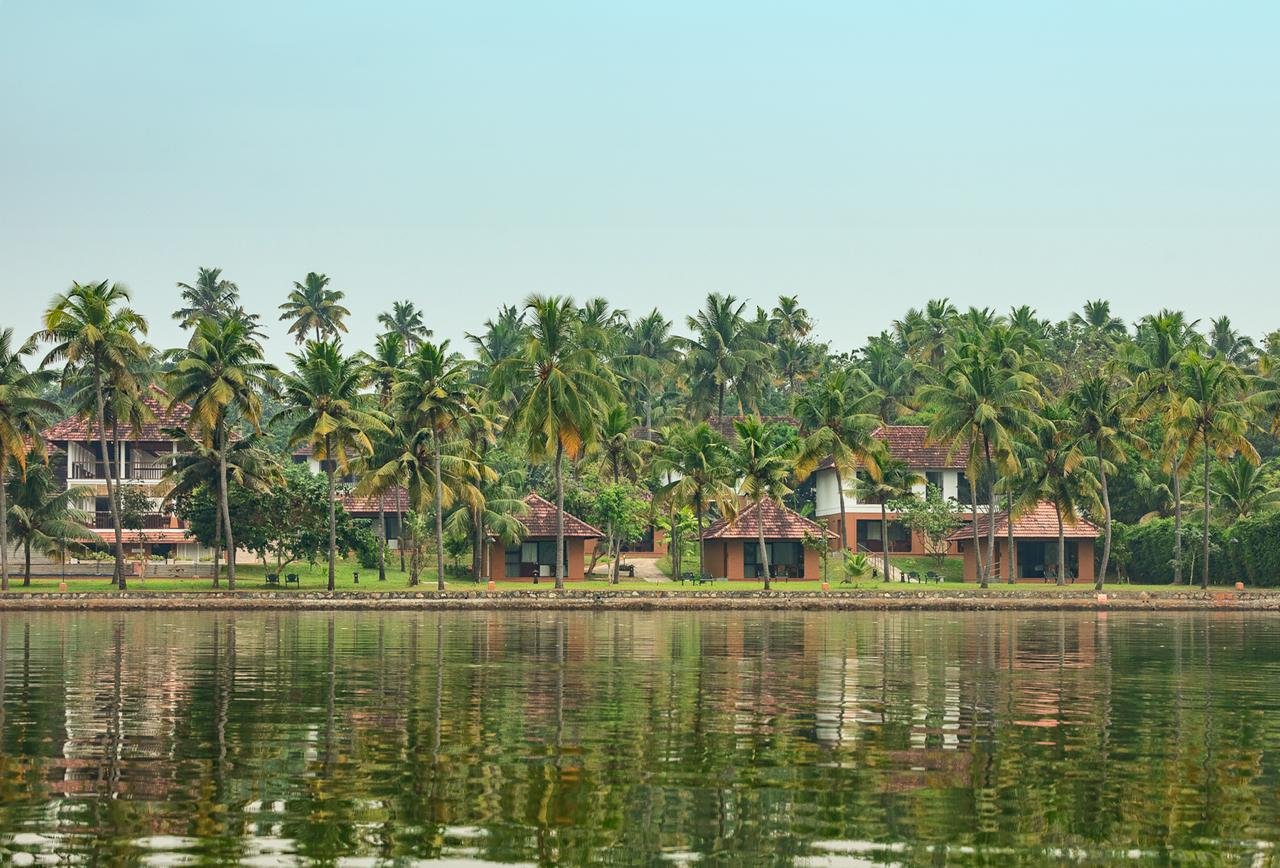
Wellness tourism isn't about escaping life; it's about enhancing it. These journeys offer more than relaxation—they provide transformation. Whether through Ayurvedic healing in Kerala, yoga retreats in Rishikesh, meditation programs in the Himalayas, or cultural immersion combined with traditional wellness practices, wellness tourism addresses the root causes of modern stress while equipping travelers with practical strategies for sustained wellbeing.
What Makes Wellness Tourism Different?
To fully appreciate wellness tourism’s significance, it’s essential to understand how it differs from related travel categories.
Medical Tourism focuses primarily on clinical procedures—elective surgeries, dental work, or specialized treatments. Travelers seek healthcare services abroad, typically motivated by cost savings or access to unavailable treatments. The experience is fundamentally medical with hospital stays and recovery periods. While beneficial, medical tourism is reactive—addressing existing conditions rather than preventing future ones.
Spa Tourism centers on relaxation through traditional services like massages, facials, and body treatments. These experiences typically span a few hours to a weekend, offering temporary stress relief. While enjoyable, spa tourism generally lacks the comprehensive programming, educational components, and lifestyle transformation focus that characterize true wellness tourism.
Wellness Tourism distinguishes itself through proactive prevention before problems arise, holistic integration addressing physical, mental, emotional, and spiritual dimensions simultaneously, lifestyle transformation creating lasting behavioral change, evidence-based programming combining ancient wisdom with modern understanding, personalization tailored to individual needs, and immersive multi-day experiences allowing deep engagement with practices like Ayurveda, yoga, and meditation.
In essence, wellness tourism represents a fundamental reimagining of travel’s purpose—not as escape from life, but as investment in living better.
The Market Explosion: $1.2 Trillion and Growing
The numbers tell a compelling story. The global wellness tourism market reached an estimated $1.2 trillion in 2025, more than double the 2020 market size. This dramatic growth occurred despite pandemic disruptions, which actually accelerated interest in health and well-being.
Wellness tourism now represents 7% of global tourism expenditures, growing at 12-15% annually—significantly outpacing traditional tourism. Wellness travelers spend 53% more per trip than conventional tourists, with average expenditures ranging from $1,500-$5,000. Approximately 900 million wellness tourism trips are projected globally for 2025.
India’s Growing Prominence: India has emerged as a leading wellness tourism destination, leveraging its authentic Ayurvedic traditions, yoga heritage, spiritual sites, and diverse natural landscapes. The Indian government has actively promoted wellness tourism through the Ministry of AYUSH (Ayurveda, Yoga & Naturopathy, Unani, Siddha, and Homeopathy), quality certification programs for Ayurvedic centers, and infrastructure development. Kerala, Rishikesh, Goa, Karnataka, and the Himalayan regions have become internationally recognized wellness destinations.
Asia-Pacific has emerged as the fastest-growing region for wellness tourism. Rising middle classes increasingly prioritize health and experiences over material consumption, with projections indicating Asia-Pacific will become the largest wellness tourism market by 2028.
The New Face of Wellness Travelers
The demographic profile of wellness travelers has diversified dramatically, challenging stereotypes of wealthy retirees at destination spas.
Millennials and Generation Z now represent 45% of wellness travelers. These younger generations seek authentic, experience-driven journeys over passive luxury. They prioritize mental health and personal growth, value sustainability and cultural respect, prefer immersive experiences that challenge them, research extensively through social media and reviews, and willingly invest in experiences aligned with their values. They’re particularly drawn to combining wellness with cultural exploration and adventure.
Women continue driving demand at 65% of bookings. They often serve as wellness decision-makers for families, seek community alongside personal growth, are particularly drawn to women-specific programs addressing hormonal health and life transitions, and value emotionally safe and supportive environments. Women’s wellness tourism focusing on Ayurvedic approaches to hormonal balance, postpartum recovery, and menopause has seen explosive growth.
Solo travelers have surged to 30% of bookings—double the 2020 rate. They seek self-focused time without compromise, value communities of like-minded travelers at retreats, often report more profound transformation without familiar social dynamics, and benefit from increasingly solo-friendly accommodations and programming that facilitate connection with other guests.
International and Domestic Travelers: Wellness tourism attracts both international visitors seeking India’s authentic traditions and domestic Indian travelers rediscovering their cultural heritage. Urban professionals from Mumbai, Delhi, Bangalore, and other metros increasingly book wellness retreats as respite from high-stress lifestyles.
The Post-Pandemic Wellness Awakening
The COVID-19 pandemic created what experts call a “wellness awakening”—a fundamental shift in how people think about health that continues shaping travel behavior in 2025.
The pandemic forced millions to confront mortality and what truly matters in life. This existential reckoning drove profound shifts: life reevaluation leading to career changes and priority realignment, health moving from background concern to foreground priority, and wellness shifting from discretionary expense to essential investment.
The Mental Health Revolution: Mental health challenges are now discussed openly, with reduced stigma making people more willing to seek support. Mental health is increasingly recognized as inseparable from physical health. Meditation retreats, mindfulness programs, and yoga experiences addressing stress, anxiety, and burnout have seen unprecedented demand. Traditional practices like pranayama, yoga nidra, and meditation that Indian wisdom has offered for millennia are now recognized globally as powerful tools for mental well-being.
Immune System Focus: People recognize that immune health depends on multiple factors: nutrition, stress management, sleep, exercise, and environmental exposures. Ayurveda’s comprehensive approach to immunity through diet, herbs, daily routines (dinacharya), and seasonal practices (ritucharya) has gained tremendous interest as travelers seek preventive health strategies rather than waiting to get sick.
The Connection Crisis: Extended isolation revealed humans’ profound need for authentic connection. People emerged craving genuine human interaction and community, nature connection, highlighting our need for natural environments, and self-connection through contemplative practices. Wellness tourism addresses all three through group retreat experiences, nature immersion programs, and introspective practices.
Authenticity and Cultural Connection: Post-pandemic travelers increasingly value authentic experiences rooted in genuine traditions rather than commercialized wellness. They seek legitimate Ayurvedic practitioners trained in traditional lineages, yoga teachers with deep knowledge beyond physical postures, meditation instruction from experienced guides, and cultural immersion, understanding the context of healing practices. This trend particularly benefits destinations like India, offering authentic traditional medicine and spiritual practices.
India’s Unique Position in Wellness Tourism
India holds a unique position as the birthplace of wellness practices now embraced globally. The authenticity advantage cannot be overstated—travelers seeking genuine Ayurvedic treatment, traditional yoga instruction, and meditation practices naturally turn to their country of origin.
Traditional Medicine Systems: India’s AYUSH systems (Ayurveda, Yoga, Naturopathy, Unani, Siddha, Homeopathy) offer comprehensive approaches to health recognized by WHO. Ayurveda’s 5,000-year documented history provides sophisticated understanding of constitution, disease prevention, and treatment validated by both traditional use and emerging scientific research.
Spiritual and Cultural Depth: India’s spiritual heritage provides context for wellness practices. Visiting Rishikesh where yoga flourished, experiencing Ayurveda in Kerala where it remains living tradition, meditating in Himalayan caves where sages practiced for millennia, or participating in temple rituals adds profound meaning to wellness journeys.
Affordability and Value: India offers exceptional value compared to Western wellness destinations. High-quality Ayurvedic treatments, expert yoga instruction, and comfortable accommodations cost significantly less than equivalent experiences in Europe or North America, making transformative wellness accessible to broader audiences.
Diverse Landscapes: From Himalayan mountains to tropical Kerala, Rajasthan deserts to Goan beaches, India provides extraordinary variety. This diversity allows travelers to choose environments perfectly suited to their wellness goals and preferences.
Conclusion: The Future of Transformative Travel
India's position as wellness tourism leader is strengthened by authentic traditional practices, qualified practitioners, cultural and spiritual depth, and government support for quality and standards. As travelers worldwide seek meaningful transformation through ancient wisdom, India's traditional healing systems offer exactly what modern life demands—time-tested approaches to health, balance, and wellbeing.
For travelers seeking genuine transformation rather than superficial relaxation, wellness tourism centered in authentic traditions offers proven pathways to lasting wellbeing. By combining comprehensive wellness programs with cultural immersion and India's natural beauty, wellness tourism provides opportunities not just for vacation, but for life-changing experiences whose benefits continue long after returning home.